You’ve probably heard a lot about DTF printing lately. Direct to Film has taken the apparel decoration world by storm. But what about DTG?
Let’s break it down.
DTG stands for Direct to Garment, and just like the name suggests, it’s exactly what it sounds like. Instead of printing onto film or paper first, DTG printers apply your design directly onto the garment itself. No transfers. No middle step. Just finished apparel.
In this guide, we’ll walk through how DTG works, what equipment you need, and when it makes sense for your business.

What Is Direct-to-Garment Printing?
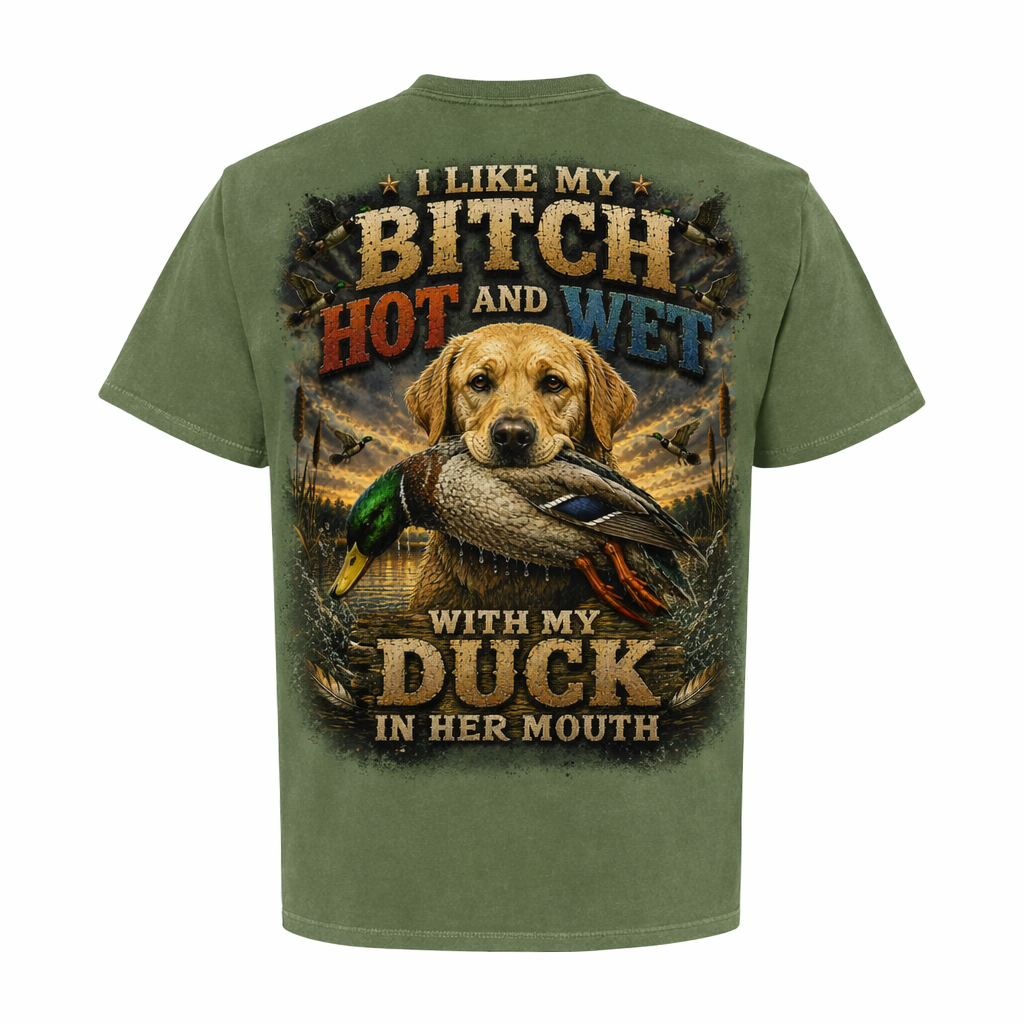
Direct to Garment printing means your printer applies ink straight onto a t-shirt or garment. Rather than loading film or transfer sheets, you load the actual shirt into the printer.
Because the ink is printed directly into the fabric, DTG produces full-color, high-resolution prints that feel soft and lightweight. In fact, many people compare the feel to a high-quality screen print.
No thick layers. No heavy hand feel. Just clean, detailed artwork that becomes part of the garment.

What Equipment Do You Need for DTG?
To get started with DTG printing, you’ll need three main pieces of equipment:
Each plays an important role in the printing process.

Step-by-Step: How DTG Printing Works
1. Apply Pre-Treat (For Dark Garments)
When printing on dark garments or anytime you’ll be using white ink, the shirt needs to be coated with pre-treat solution.
Pre-treat keeps the white ink sitting on the surface of the fabric instead of soaking in. Without it, white ink would disappear into the shirt fibers.
Some entry-level users apply pre-treat with a hand sprayer. More professional shops use automated pre-treat machines to ensure an even, consistent coat.
The key is balance. Not too much. Not too little.

2. Cure the Pre-Treat with a Heat Press
After applying pre-treat, the shirt goes onto the heat press for about 30 to 60 seconds.
This step does two things:
- Cures the pre-treat solution
- Flattens the garment fibers to create a smooth print surface
This prep work is crucial for getting the best possible print quality.

3. Print the Shirt with a DTG Printer
Once cured, the shirt is ready for printing.
Whether you’re using a smaller DTG printer like the Epson F1070 or a larger model like the Epson F2270, the process is the same.


You’ll load the shirt onto the platen, align your artwork in the print software, size it correctly, and send it to print.
The printer first lays down a layer of white ink, followed by full-color ink printed directly on top.

4. Final Cure in the Heat Press
After printing, the garment goes back onto the heat press for about 60 seconds to cure the wet inks.
Once that final press is done, the shirt is finished and ready to wear.

Printing on White Garments
Printing on white shirts is even simpler.
You can skip the pre-treat step entirely. Just pre-press the shirt to flatten it, select light garment mode in the print software, and print.
Since no white ink is needed, the result is one of the softest prints you’ll ever feel on cotton.

Pros of DTG Printing
Perfect for Low Quantities and One-Offs
DTG shines when it comes to small runs. Printing a single shirt with a full-color design is fast and cost-effective.
For screen printers, this is huge. No one wants to set up multiple screens just to print one shirt. With DTG, you can do it in minutes.
Lightweight, Soft Prints
DTG prints feel incredibly light, even with large designs. This is especially noticeable with photos or solid artwork that would feel heavier using other methods.
Easy Setup and Maintenance
Modern DTG printers like the Epson F1070 and F2270 are designed to be easy to set up, operate, and maintain, making them accessible even for shops new to digital printing.

Considerations Before Investing in DTG
Upfront Cost
DTG printers are a bigger investment compared to vinyl cutters or sublimation printers.
If you’re scaling up from entry-level equipment, it may feel like a jump. But for established shops or screen printers losing business to DTG competitors, the investment often makes sense quickly.
Fabric Compatibility
DTG works best on cotton garments. It’s not ideal for 100% polyester, especially athletic wear.
That said, many DTG printers offer hybrid options that allow you to print DTF by the sheet, giving you flexibility depending on the job.
Not Built for Large Bulk Runs
DTG isn’t designed for mass production of the same design.
If you need 150 identical shirts, screen printing or DTF is usually the better choice. But if you need 150 shirts with 150 different designs, DTG is hard to beat.

DTG vs DTF: What’s the Difference?
It really comes down to the end goal.
DTF printing creates transfers on film that can be pressed later or sold to customers.
DTG printing produces finished garments ready to deliver.
If your business focuses on selling transfers, DTF is the way to go. If you’re selling finished apparel, DTG is often the better fit.

Is DTG Right for Your Business?
Direct to Garment printing is ideal for:
- Custom apparel businesses
- One-off and low-quantity orders
- Full-color designs and photographs
- Shops looking for soft, premium print quality
If you’re exploring DTG or deciding between DTG and DTF, our team at Heat Press Nation is here to help.
Visit heatpressnation.com or give us a call to talk through your goals. We carry one of the largest selections of professional heat presses in the USA and have a knowledgeable team ready to make the right recommendation for your business.
Have questions? Drop them in the comments or reach out anytime.